
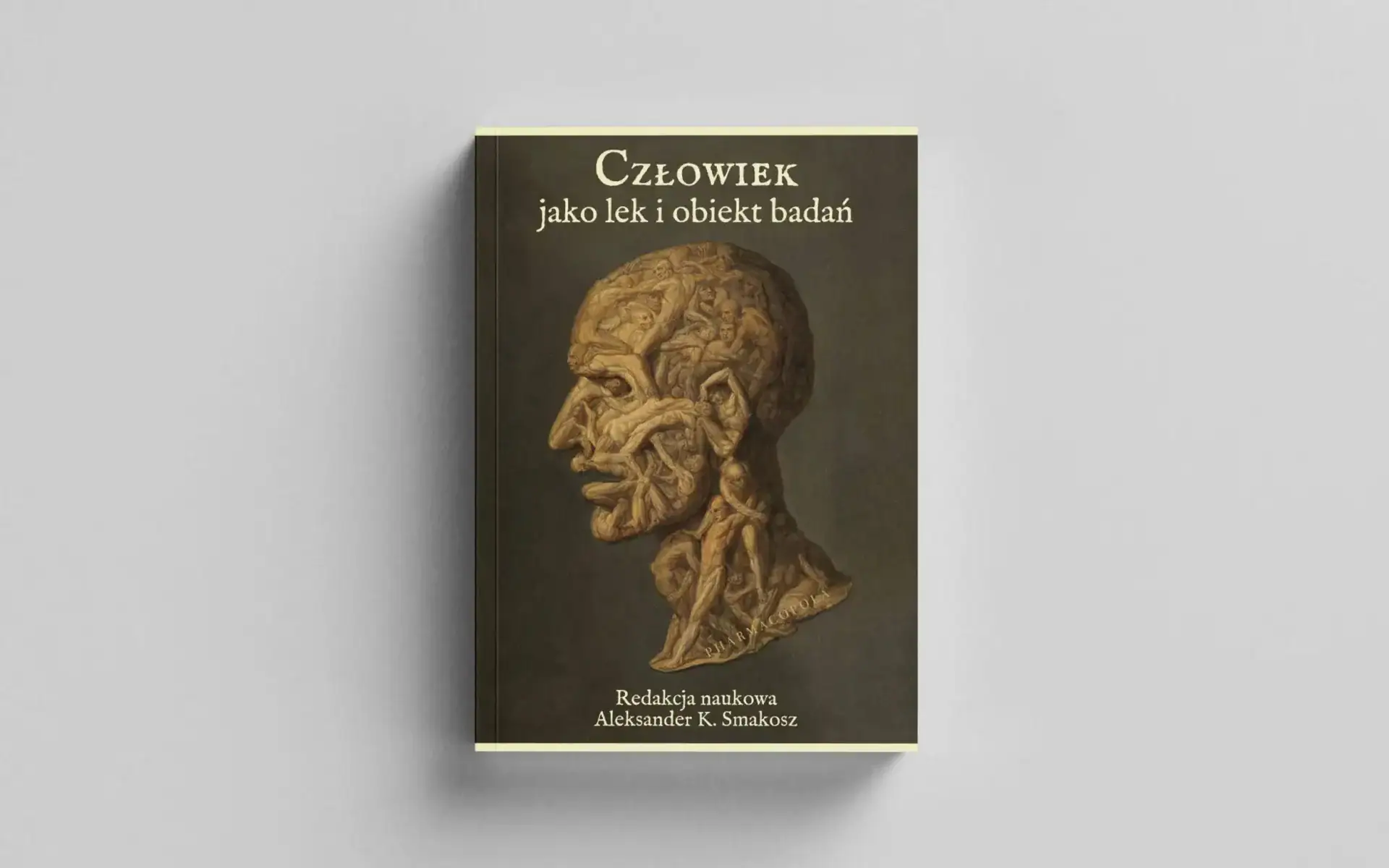

It has recently started pre-sale book "Man as a medicine and object of research".
The publication “Man as a medicine and research object” (Aleksander K. Smakosz, ed.) consists of three parts (in one volume):
1) Man as a medicine
It includes chapters on the use of human cadaver fragments (and living Homo sapiens) in both ancient and contemporary medicine and pharmacy. Is human fat a good ointment base? What ailments was Egyptian mummy oil used for? How were wounds treated in the 18th century using ground-up human skulls? What do medical cannibalism and belief in relics have in common? These are just some of the issues discussed here.
2) History of anatomy
Each chapter describes the development of anatomy, and more broadly, surgery, from ancient times to the 20th century. How does burking differ from body-snatching? How were corpses protected from anatomical theft? What was the reception of Vesalius's Renaissance anatomy? What surgical instruments did the ancient Romans and Greeks use? How were surgeries performed under anesthesia in the Middle Ages? These are just some of the issues discussed here.
3) Man as an object of research
This section contains studies on the historical aspects of human experimentation. Why did the US government cover up the Tuskgee Project? What were the legal and ethical issues of human experimentation in the first half of the 20th century? Did the experiments of Mengele and other concentration camp medics influence the development of science?
Continue reading on Pharmacopola website.